Sterile Manufacturing: The Invisible Shield Protecting Patients in Critical Moments

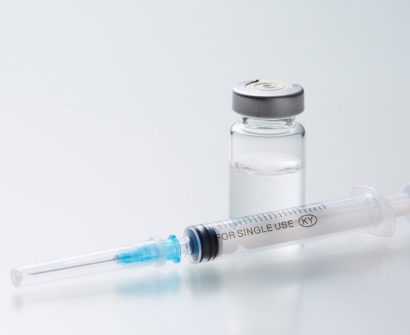
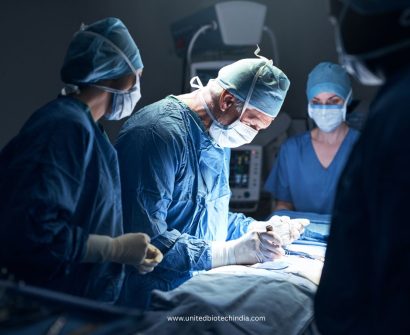
In operating rooms, intensive care units, and emergency departments worldwide, patients depend on sterile products to survive critical moments. Yet the true guardian of patient safety operates silently—in pharmaceutical manufacturing facilities where precision, discipline, and responsibility become life-saving measures.
Sterile manufacturing is more than compliance. It’s a commitment to protecting patients who cannot protect themselves.
Why Sterile Products Matter
When a patient is fighting for survival, the products delivered to their body must be completely free from contamination. A single bacterium, a microscopic particle, or a pyrogenic substance could trigger:
- Sepsis and systemic infection
- Organ failure
- Immune system collapse
- Death
This reality transforms sterile manufacturing from a routine operation into a sacred responsibility. Every decision, every procedure, every validation exists for one purpose: keeping patients safe.
The Challenge: Invisible Threats
Contamination is invisible. A manufacturing facility that looks spotless under standard light could harbor pathogenic organisms, endotoxins, or chemical impurities.
This is why sterile manufacturers employ:
- Sterility testing using specialized growth media
- Bacterial endotoxin detection (LAL testing)
- Particle counting systems identifying contaminants
- Environmental monitoring of air, surfaces, and personnel
- Container integrity testing ensuring package protection
Without these rigorous tests, contamination could reach patients undetected.
The Manufacturing Environment
Sterile manufacturing facilities are engineered ecosystems designed to prevent contamination:
Cleanroom Classification:
- ISO Class 5 areas where products are filled (99.99% particle removal)
- Positive air pressure preventing unfiltered air entry
- HEPA filtration systems with 20-30 air changes per hour
- Strict temperature/humidity control (20-25°C, 35-65% RH)
- Continuous particle and microbial monitoring
The facility itself becomes a protective barrier against contamination.
Personnel: The Critical Element
Sterile manufacturing success depends on trained, committed personnel who understand:
- Aseptic technique preventing contamination during handling
- Gowning procedures executed with meticulous precision
- Contamination sources from human skin, breath, and movement
- Quality mindset owning responsibility for patient safety
Workers undergo:
- Formal pharmaceutical training
- Aseptic technique validation
- Continuing competency assessments
- Regular retraining on procedures
Each person becomes a guardian of patient safety.
Quality Assurance: Continuous Verification
Sterile manufacturing isn’t a one-time achievement—it’s continuous verification:
Process Control:
- Equipment validation ensuring consistent performance
- In-process testing at critical stages
- Batch records documenting every decision
- Root cause analysis of deviations
Product Testing:
- Sterility testing confirming absence of living organisms
- Endotoxin testing measuring harmful bacterial fragments
- Particulate matter testing ensuring zero contamination
- Stability testing verifying product safety throughout shelf life
Environmental Monitoring:
- Active air sampling detecting microorganisms
- Surface testing identifying contamination sources
- Personnel monitoring assessing gowning effectiveness
- Trend analysis identifying potential problems before they affect products
Regulatory Standards: The Framework
United Biotech India maintains WHO-cGMP certification, demonstrating commitment to world-class sterile manufacturing standards.
These standards require:
- FDA compliance (United States)
- EMA requirements (European Union)
- WHO-GMP certification (International standards)
- ISO 9001:2015 quality management
Each market demands rigorous compliance. Non-compliance isn’t an option—patient safety is non-negotiable.
The Role of Technology
Advanced manufacturing technologies protect sterility:
Automated Aseptic Filling:
- Robotic systems filling products without human touch
- Reduced contamination risk from personnel
- Consistent, precise volumes
- Complete traceability for every unit
Real-Time Monitoring:
- Continuous particle counting systems
- Temperature/humidity verification
- Automated alerts for deviations
- Data logging for regulatory documentation
Rapid Testing Methods:
- Fast endotoxin detection enabling quicker release
- Rapid microbial methods with statistical confidence
- Real-time analytical monitoring
- Predictive analytics preventing problems
Cold Chain: The Invisible Supply Chain
Many products degrade rapidly at room temperature, requiring strict temperature control from manufacturing through patient administration.
This demands:
- Specialized insulated packaging maintaining temperatures for days
- Temperature monitoring systems with real-time alerts
- Validated shipping routes with proven stability
- Trained pharmaceutical couriers understanding critical requirements
United Biotech India’s cold chain expertise ensures products reach patients with integrity intact.
The Patient Impact
Sterile manufacturing operates invisibly—patients rarely know the complexity protecting them. A critical care patient receiving life-saving treatments never sees:
- The cleanrooms preventing contamination
- The validation protocols ensuring equipment reliability
- The microbiologists testing for invisible threats
- The quality teams verifying every batch
Yet all this invisible work directly determines whether patients receive safe products or face serious complications.
Why It Matters Now More Than Ever
In our interconnected world facing emerging health challenges, sterile manufacturing stands as a critical defense. Pharmaceutical manufacturers producing sterile products aren’t just following regulations—they’re protecting humanity’s most vulnerable.
United Biotech India’s commitment to sterile manufacturing excellence represents the dedication required in this field. Every validated process, every trained worker, every rigorous test exists for patients in their most critical moments. This is the true purpose of sterile manufacturing—ensuring that when lives hang in the balance, the products delivered are absolutely safe.