Why Injectable Pharmaceuticals Demand a Higher Standard of Manufacturing Precision
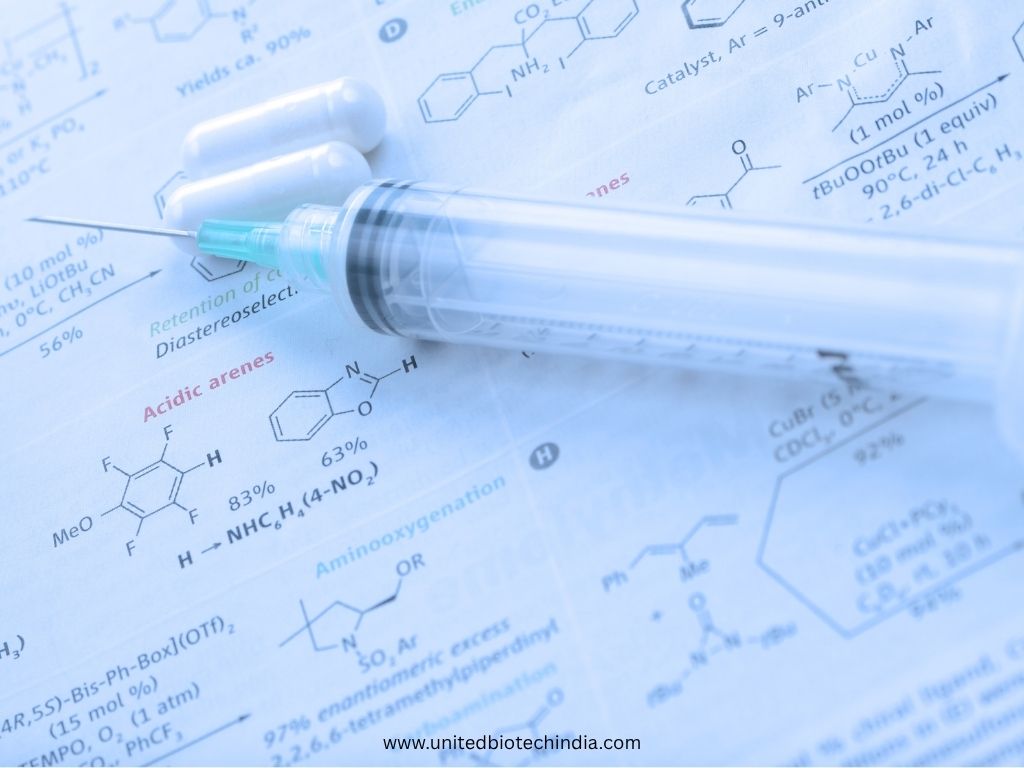
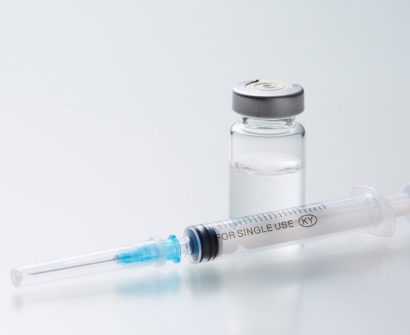
Injectable pharmaceuticals operate differently than oral medications. While tablets pass through your digestive system with natural filtering, injectables bypass these protective mechanisms entirely—entering the bloodstream directly.
This fundamental difference means zero tolerance for impurities.
The Critical Difference
Any contaminant in an injectable could cause allergic reactions, infections, or organ damage. This is why injectable manufacturing demands:
- Complete sterility (no living organisms)
- Absolute purity (no particles or chemical contamination)
- Precise temperature control throughout production
- Rigorous quality testing at every stage
Manufacturing Complexity
Injectable formulations are inherently complex:
Liquid Injectables require careful pH balance, ingredient stability, and compatibility with common medical fluids.
Lyophilized (Freeze-Dried) Products demand precise control of drying rates and moisture levels—one miscalibration can ruin thousands of units.
Specialized Formulations like liposomal products require advanced equipment to create uniform, sterile structures.
United Biotech India’s expertise in specialty injectables reflects the deep knowledge required.
Quality Control Standards
Injectable manufacturers must conduct:
- Sterility testing using growth media under controlled conditions
- Bacterial endotoxin testing measuring harmful substances
- Particle counting ensuring zero visible contamination
- Container integrity testing verifying packaging protection
- Stability testing confirming products remain safe throughout shelf life
Cleanroom Requirements
Injectable manufacturing facilities must maintain ISO Class 5 cleanrooms with:
- HEPA filtration removing 99.99% of particles
- Positive air pressure preventing contamination
- Temperature and humidity control (20-25°C, 35-65% RH)
- 20-30 air changes per hour
- Continuous environmental monitoring
GMP Compliance
United Biotech India maintains WHO-cGMP and ISO 9001:2015 certification, representing world-class manufacturing standards.
This requires:
- Validated equipment performing consistently
- Trained personnel following strict aseptic techniques
- Documented procedures for every process
- Regular audits and continuous improvement
Cold Chain Management
Temperature-sensitive products require strict control:
- Specialized insulated packaging
- Real-time temperature monitoring
- Validated shipping routes
- Trained pharmaceutical couriers
Managing cold chains across 60+ countries demands expertise and precision.
Global Regulatory Compliance
Manufacturers must meet standards from:
- FDA (United States)
- EMA (European Union)
- WHO-GMP (International standards)
- ICH Guidelines (Harmonized practices)
Each market has specific requirements for cleanroom design, testing protocols, and documentation.
The Human Factor
Beyond equipment, success depends on:
- Technical expertise in pharmaceutical science
- Aseptic technique training preventing contamination
- Quality mindset where every person owns quality outcomes
- Continuous learning staying current with regulations
Why It Matters
Injectable pharmaceuticals directly impact patient outcomes. The complexity and precision required in manufacturing—while invisible to patients—ensures they receive safe, effective products.
United Biotech India’s commitment to manufacturing excellence demonstrates that pharmaceutical manufacturers can achieve world-class standards while serving global healthcare needs.